
Excavating & Plumbing 101
What Property Owners Should Know Before Starting
Underground Work
Excavating & Plumbing 101
What Property Owners Should Know
Before Starting Underground Work
Excavating & Plumbing 101
Excavation and plumbing work is more than digging a trench and putting pipe in the ground. The systems below the surface affect drainage, water service, sewer flow, stormwater control, foundations, driveways, yards, ponds and long-term property value. A well-built job starts with understanding the site before the digging begins. That means knowing what is being installed, where it belongs, how deep it needs to be, how water moves across the property and what can go wrong if the work is rushed, undersized or installed incorrectly.
Settle Excavating & Plumbing helps homeowners, builders, property managers, HOAs, developers and site contractors handle underground utility, drainage, stormwater and site work across Northern Virginia. This page explains the basics so you know what to expect before a project begins.
Most of the important work disappears when the trench is closed. That is why proper layout, pipe bedding, slope, compaction, drainage path, cleanouts, structures and final grading matter so much. Underground work should solve the problem, protect the property and hold up over time.
What Is Excavating?
Excavating is the controlled removal, shaping, and replacement of soil, rock, pavement or unsuitable material. It creates access for buried utilities, prepares sites for construction, shapes land for drainage and supports installation or repair of systems below grade.
Excavation may be needed for:
• Sewer line installation or repair
• Water line installation or replacement
• Stormwater pipe and BMP installation
• Bioretention, rain garden and underdrain work
• Drainfield and septic system repairs
• Pond construction, pond repair and site drainage features
• Trenching for underground utilities
• Basement, driveway, access road and grading work
• Well line, well pump and exterior water system support
• Emergency utility repairs
Good excavation is planned, measured and controlled. The goal is to open the ground safely, complete the work correctly, protect existing utilities and structures and restore the site without creating a new drainage or settlement problem.
What Is Plumbing?
Plumbing includes the systems that move water into a property and wastewater out of it. For Settle Excavating & Plumbing, much of the plumbing work happens underground, outside the building or where private systems connect to municipal, septic, stormwater or well systems.
This can include:
• Main water service lines
• Sewer laterals and cleanouts
• Well pump systems and pressure tanks
• Exterior water lines and yard hydrants
• Drainage piping and stormwater pipe connections
• Underground pipe repairs and replacements
• Jetting and camera inspections
• Connections between buildings and municipal or private systems
Indoor plumbing matters but underground plumbing is where many of the most expensive problems begin. Once a pipe is buried, it needs to be installed correctly the first time.
Core Excavating &
Plumbing Services
-
Excavation is the process of digging, grading, trenching, and preparing a site so underground utilities, drainage systems, foundations, driveways, ponds, or other improvements can be installed correctly.
Common work includes:
Site clearing and grading
Trenching for sewer, water, stormwater, drainage, or electric
Basement and foundation excavation
Driveway, pond, and site grading
Backfill, compaction, and final restoration
Why it matters:
Good excavation sets the grade, manages water, protects structures, and prevents future settlement or drainage problems.
-
Stormwater systems collect, move, slow, filter, store or release runoff from roofs, driveways, roads, parking areas, yards and developed sites. As more land is covered by buildings, pavement, patios and compacted surfaces, less rainfall can soak into the ground. That water must be managed.
A properly installed stormwater system protects the property, downstream neighbors, public drainage systems and local waterways. Poor installation can cause standing water, sinkholes, erosion, failed inspections, flooded yards and expensive rework after the site is already finished.
Stormwater work may include:
Underground pipe detention and chamber systems
Stormwater conveyance pipe and yard drains
Inlets, cleanouts, risers, overflow structures and outlet controls
Stone bedding, filter fabric, underdrains and energy dissipation
BMP installation, repair, maintenance access and documentation
Culverts, outlet structures, riprap and stabilization
What matters most: correct elevations, proper bedding, compacted backfill, clean transitions, functional outlets and installation that matches approved plans or site requirements.
-
Bioretention systems and rain gardens are engineered landscape areas that collect stormwater and filter it through soil media, stone, underdrains, mulch and vegetation. They may look like planting beds but they are drainage systems first.
A properly installed bioretention system usually includes excavation to design grade, engineered soil media, stone layers, underdrain pipe, cleanouts, overflow structures, plantings, mulch and stable inflow and outflow points.
Settle Excavating & Plumbing can support bioretention and rain garden projects with:
Excavation and shaping of the BMP area
Installation of underdrains, cleanouts, outlet pipes and overflow structures
Placement of stone, filter fabric and approved soil media
Connection to roof drains, yard drains, curb inlets or storm pipe as shown on plans
Restoration, stabilization, and access for future maintenance
Repair of failed or poorly draining systems
What property owners should know: a rain garden should drain within the required design window, should not hold water indefinitely and should be maintained so vegetation, mulch, inlets and outlets do not block flow.
-
Drainfields receive treated wastewater from a septic system and disperse it into the soil. When a drainfield is overloaded, compacted, damaged, poorly installed or past its service life, the property may experience slow drains, sewage odors, wet areas, backups or failed inspections.
Drainfield work requires careful excavation and respect for soil conditions, elevation, reserve areas, existing septic components and access limitations. It is both an excavation issue and a plumbing issue.
Drainfield-related work may include:
Excavation for septic repairs and replacement components
Drainfield repair support and access excavation
Distribution boxes, lines, stone, chambers and related components where applicable
Septic-related grading and site restoration
Pre-purchase inspection support and exploratory work when appropriate
Coordination around existing utilities, trees, driveways and tight access areas
What property owners should know: a wet yard is not always a drainfield failure and a slow drain is not always a pipe clog. Diagnosis matters. Camera inspection, site conditions, tank condition, soil saturation and system age all help point to the real issue.
-
Sewer and water lines are the buried utility connections that keep a property usable. Sewer lines carry wastewater out. Water lines bring clean, pressurized water in. When either system fails, the problem becomes urgent fast.
Common signs of sewer line trouble include:
Repeated backups
Slow drains throughout the property
Gurgling toilets or drains
Sewage odors inside or outside
Wet, sunken or soft areas in the yard
Camera inspection showing roots, cracks, offsets or pipe separation
Common signs of water line trouble include:
Low water pressure
Wet spots in the yard
Unexplained increase in water bills
Dirty or rusty water
Water surfacing near the foundation, curb or meter area
Sound of running water when fixtures are off
Sewer and water line work may involve locating utilities, exposing the failed section, replacing pipe, setting proper slope, bedding the pipe correctly, pressure testing where required, backfilling and restoring the disturbed area.
What matters most: slope, depth, pipe material, clean transitions, utility separation, bedding, compaction and access for future service.
-
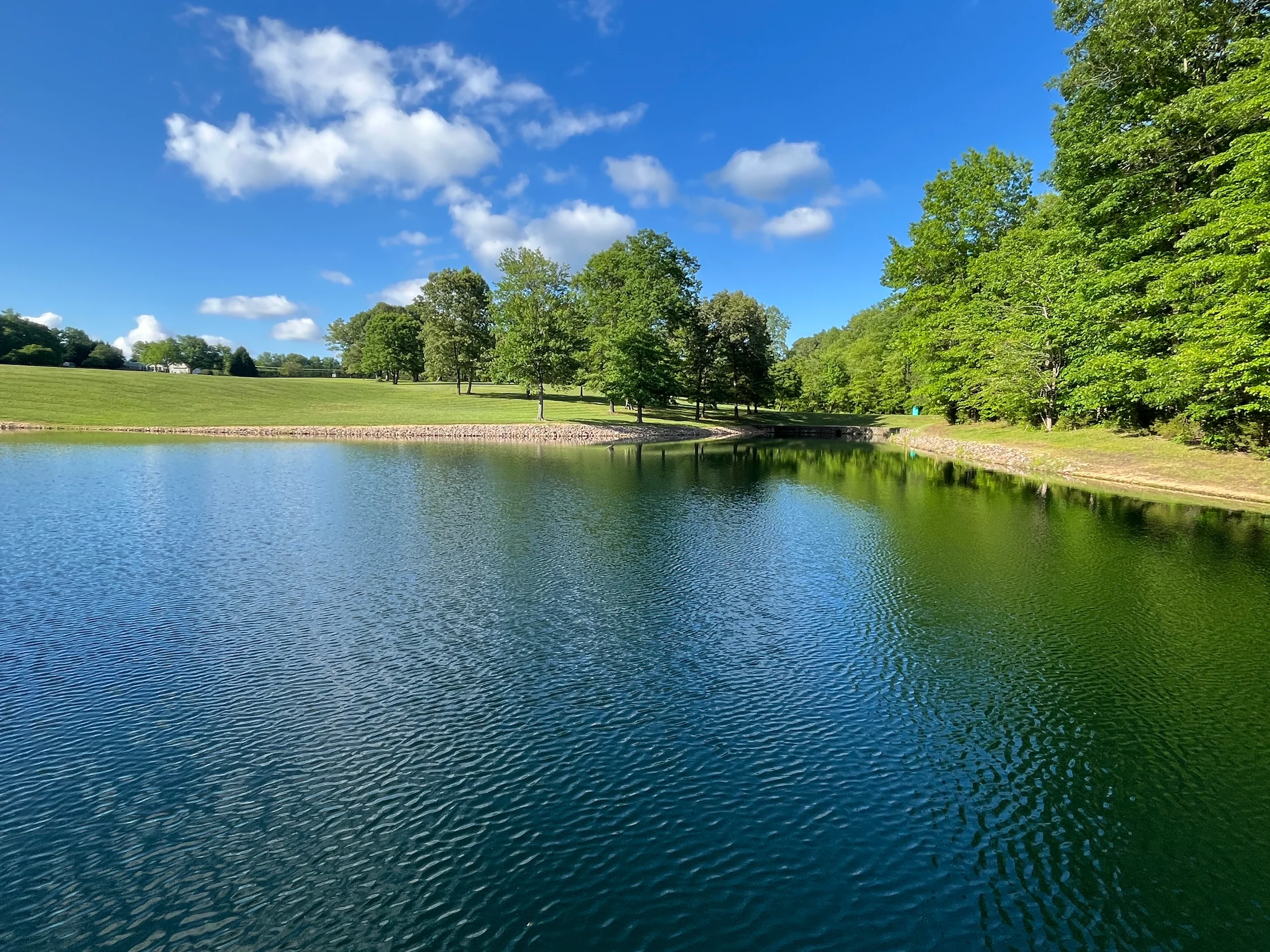
Ponds are more than holes that hold water. A properly built pond depends on grading, stable side slopes, soil conditions, compaction, inlet and outlet control, overflow protection and erosion control. The work must account for how water enters the pond, how it leaves, how high it can rise and where it goes during heavy rain. When these details are handled correctly, the pond is more stable, easier to maintain and better able to protect the surrounding property from erosion, washouts and drainage problems.
Pond and drainage-related work may include:
Pond excavation and shaping
Embankment and slope work
Inlet and outlet structure installation or repair
Overflow, spillway and pipe improvements
Riprap, stone and erosion protection
Sediment removal, access excavation and site restoration
What matters most: the water level is only part of the system. The real test is what happens during storms, overflow conditions and long wet periods.
-
For properties on private wells, the well pump and pressure system deliver water to the home or building. The pump, pressure tank, controls, pipe, wire, fittings, valves and water treatment equipment all work together to maintain dependable water pressure.
Common signs of well system problems include:
No water
Low or fluctuating pressure
Pump short-cycling
Air in the lines
Cloudy or dirty water
Pressure tank problems
Breaker trips or electrical issues
Well pump and water system services may include:
Well pump troubleshooting, repair and replacement
Pressure tank diagnosis and replacement
Control box, switch, wiring and pressure issue support
Water line excavation from well to structure
Pump system upgrades and related plumbing corrections
Coordination with water treatment equipment where needed
What matters most: correct pump sizing, reliable controls, clean fittings, safe electrical coordination and a system that maintains pressure without damaging the pump.
-
Pipe jetting uses high-pressure water to clear blockages, grease, roots, sediment, and debris from pipes. Camera inspection uses a specialized pipe camera to view the inside of the line and confirm pipe condition.
These services help identify:
Roots
Cracked pipe
Collapsed pipe
Offset joints
Sediment buildup
Grease or debris
Poor slope
Blockages
Pipe material and condition
Jetting clears the line. Camera inspection helps explain why the line had a problem in the first place. If the pipe is structurally sound, jetting may restore flow. If the pipe is collapsed, badly offset, or holding the wrong slope, excavation or replacement may be needed.
-
Underground work needs planning before equipment arrives. Even a small project can become complicated if utilities, trees, slopes, rock, groundwater, poor soil, tight access, county requirements or existing structures are involved.
A typical project may require:
Reviewing plans or site conditions
Marking public utilities and identifying private utilities where possible
Checking access for equipment
Confirming pipe size, material, depth and slope
Planning spoil placement and hauling needs
Managing erosion and sediment control
Coordinating inspections or documentation
Protecting existing landscaping, driveways, structures and utilities
Restoring disturbed areas
-
Site Review
We review the project area, equipment access, visible site conditions, known utilities, drainage patterns and the reason the work is needed.Diagnosis or Plan Review
Depending on the project, this may include a camera inspection, utility layout review, civil plan review, septic records, county requirements or evaluation of the existing system.Estimate and Scope
A clear scope explains what is included, what is excluded, what assumptions are being made and what conditions could change once excavation begins.Utility Marking
Public utilities should be marked before digging begins. Private utilities, such as sewer laterals, water lines, irrigation, lighting or drainage lines may require additional locating.Excavation
The work area is opened using the appropriate equipment. Trenches, pits, grades, and access areas are created based on the project requirements and site conditions.Installation or Repair
Pipe, fittings, stone, structures, pumps, drainage components or other required materials are installed according to the approved scope of work.Testing and Inspection
Depending on the type of work, this may include camera inspection, pressure testing, flow testing, visual inspection, county inspection or project documentation.Backfill, Compaction, and Restoration
After the work is inspected, approved or confirmed, the excavation is backfilled, compacted, graded, stabilized and restored as required.
-
Excavation and plumbing costs vary because every site is different. Common cost factors include:
Depth of pipe or structure
Length of trench
Soil type and rock conditions
Groundwater or wet conditions
Tree roots and existing landscaping
Equipment access and staging space
Utility conflicts
Pavement, concrete, driveway or hardscape removal
Permit and inspection requirements
Pipe size and material
Stone, soil media, structures, fittings or pump equipment
Disposal, hauling or spoils handling
Emergency timing
Restoration requirements
A straight 50-foot trench in open ground is very different from a deep sewer repair under a driveway, beside a retaining wall, around utilities or through rock. Both jobs may involve excavation but the level of difficulty, risk, equipment, labor, restoration and time required are not the same.
Excavating & Plumbing 101
Core Excavating & Plumbing Services
Why Choose Settle
Excavating & Plumbing?
Why Choose Settle Excavating & Plumbing?
Settle Excavating & Plumbing has decades of experience handling excavation, plumbing, utility, drainage, stormwater, pond and site work throughout Northern Virginia. Our work combines practical field knowledge with the equipment needed to complete underground projects safely and correctly.
We understand that most property owners do not deal with sewer lines, water lines, well systems, drainfields, stormwater structures, ponds or excavation every day. That is why we focus on clear communication, accurate diagnosis, proper installation and dependable repair work.
Built Right. Built to Last.
Underground work should solve the problem, protect the property and hold up over time. That means using the right materials, setting proper grades, protecting connections, compacting correctly and paying attention to the details that matter after the trench is closed.
Need help with sewer, water, stormwater, drainfield, pond, well, pipe- jetting, camera inspection or excavation work?
Contact Settle Excavating & Plumbing to discuss your project and the right next step.