
Underground Detention Bioretention Rain Garden
Underground Detention
Bioretention
Rain Garden
Built to Plan Built to Code
Built to Last
Settle installs stormwater systems as part of our full range of underground work: underground detention, bioretention cells, rain gardens and drainage infrastructure for residential, commercial and municipal sites across Northern Virginia. We build to approved civil plans and county specifications with the same in-house crew and accountability we bring to every job.
SYSTEMS WE INSTALL
UNDERGROUND DETENTION
SYSTEM
Built to Plan Built to Code Built to Last
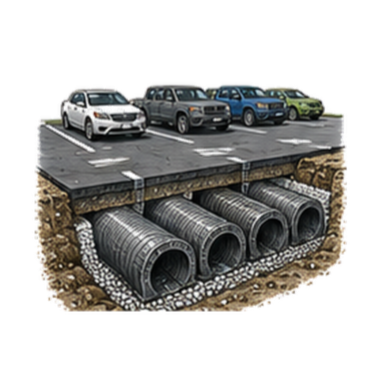
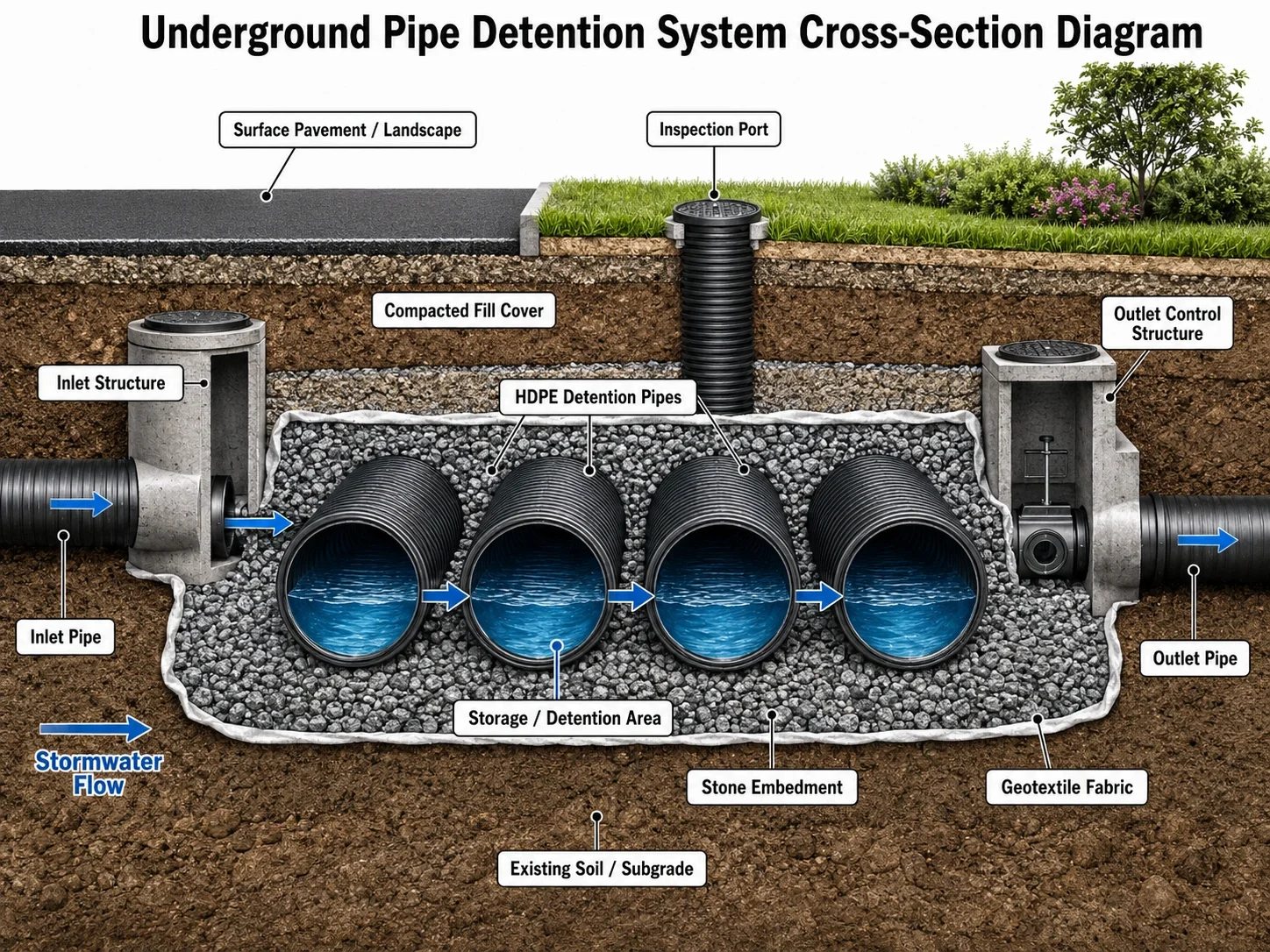
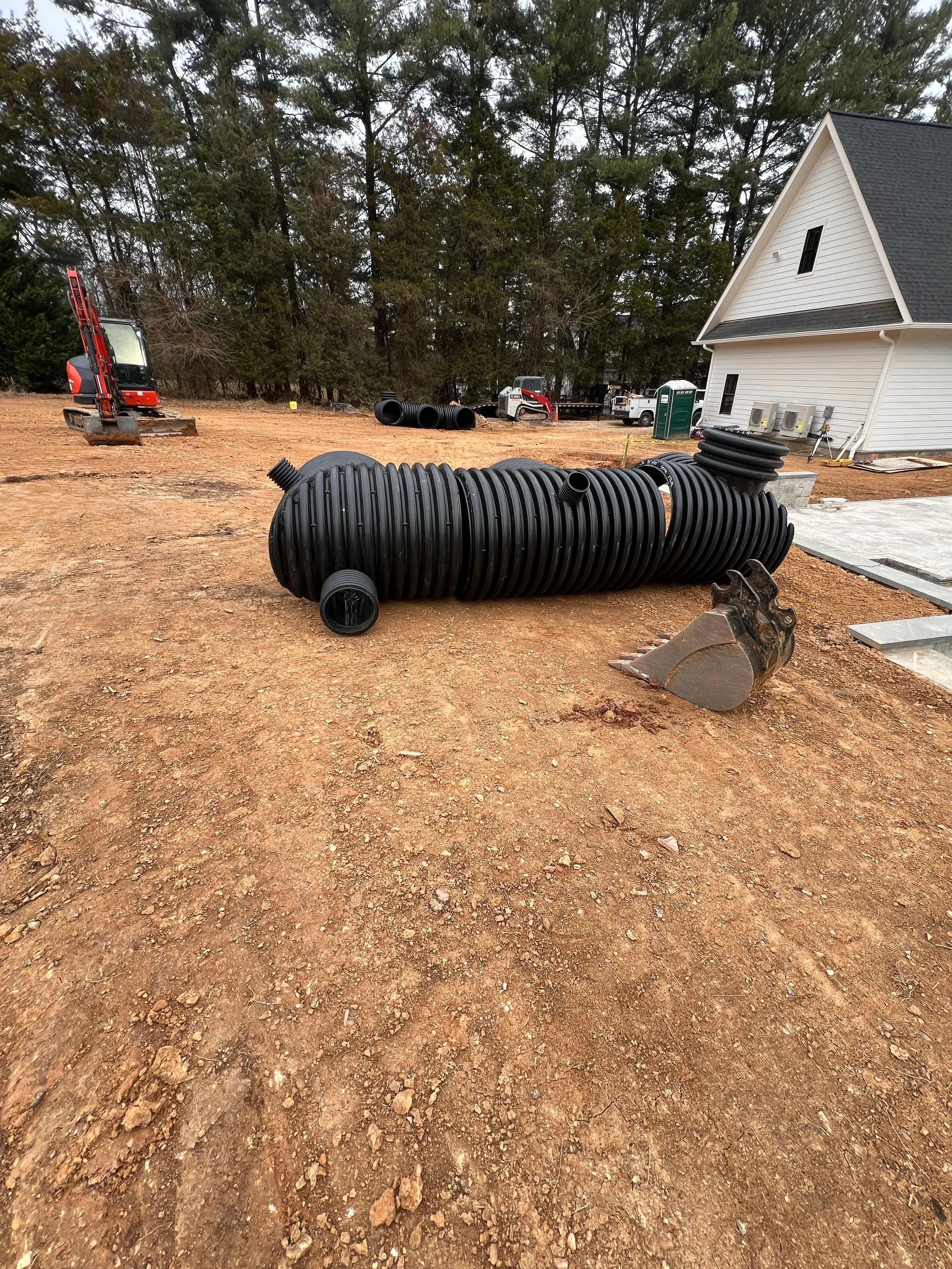
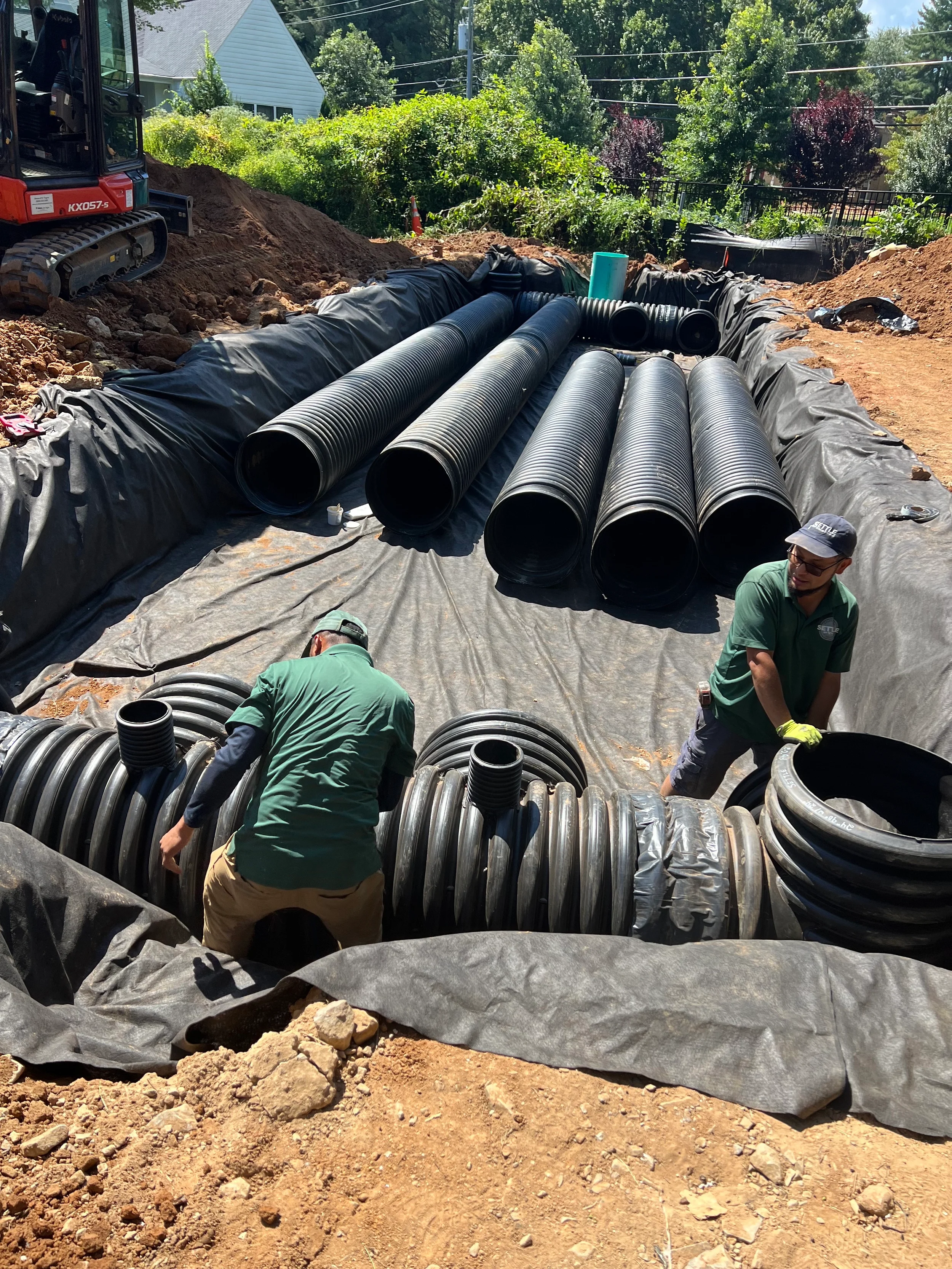
Underground detention systems manage stormwater beneath developed sites storing runoff in subsurface pipe networks, chambers and vaults before releasing it at a controlled rate. The result is reduced peak flows, less erosion and measurable protection for downstream properties and waterways. Settle installs every system to Virginia DEQ, MS4 and county specifications with proper inlet and outlet structures, access provisions and full documentation for permit closeout and ongoing maintenance.
BIORETENTION
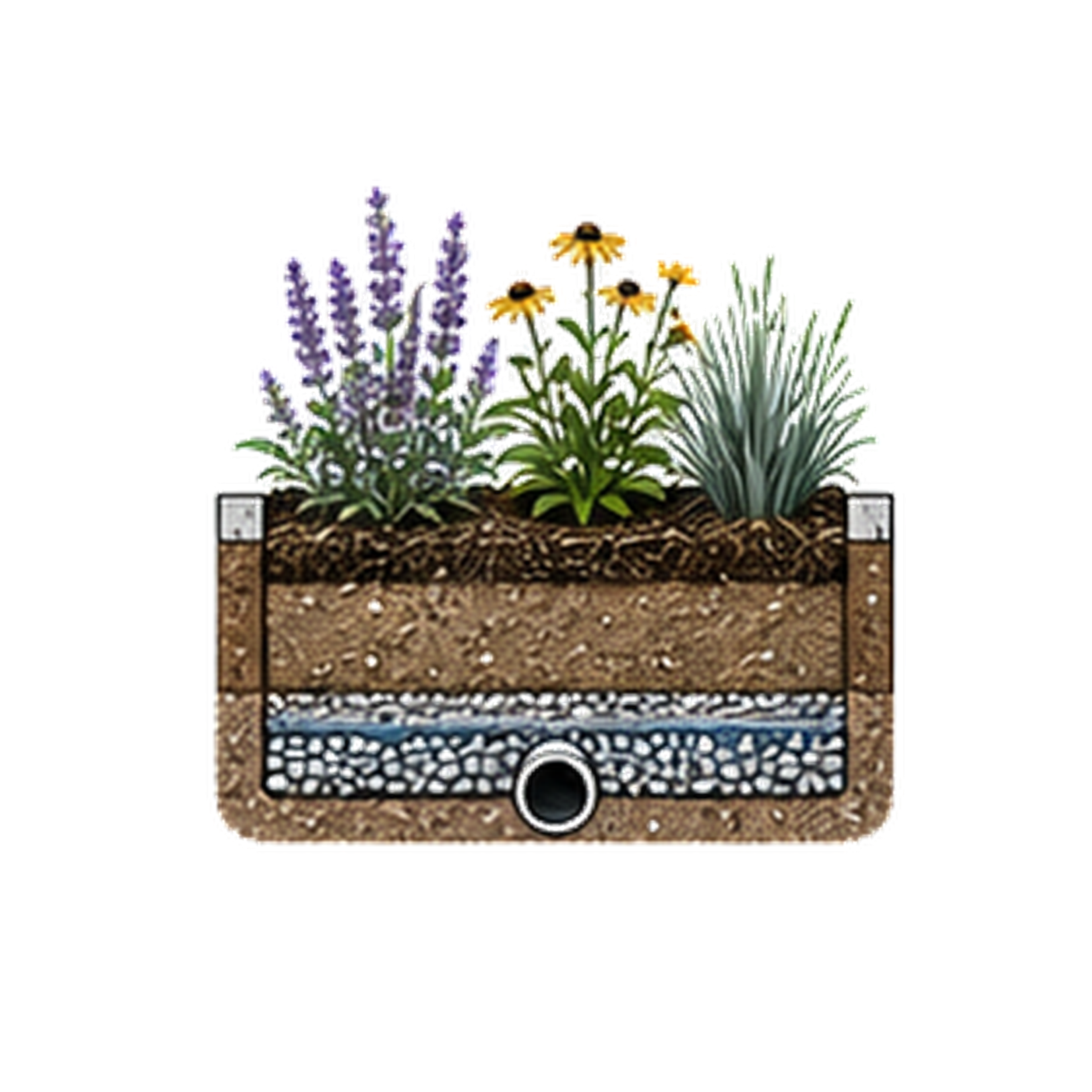
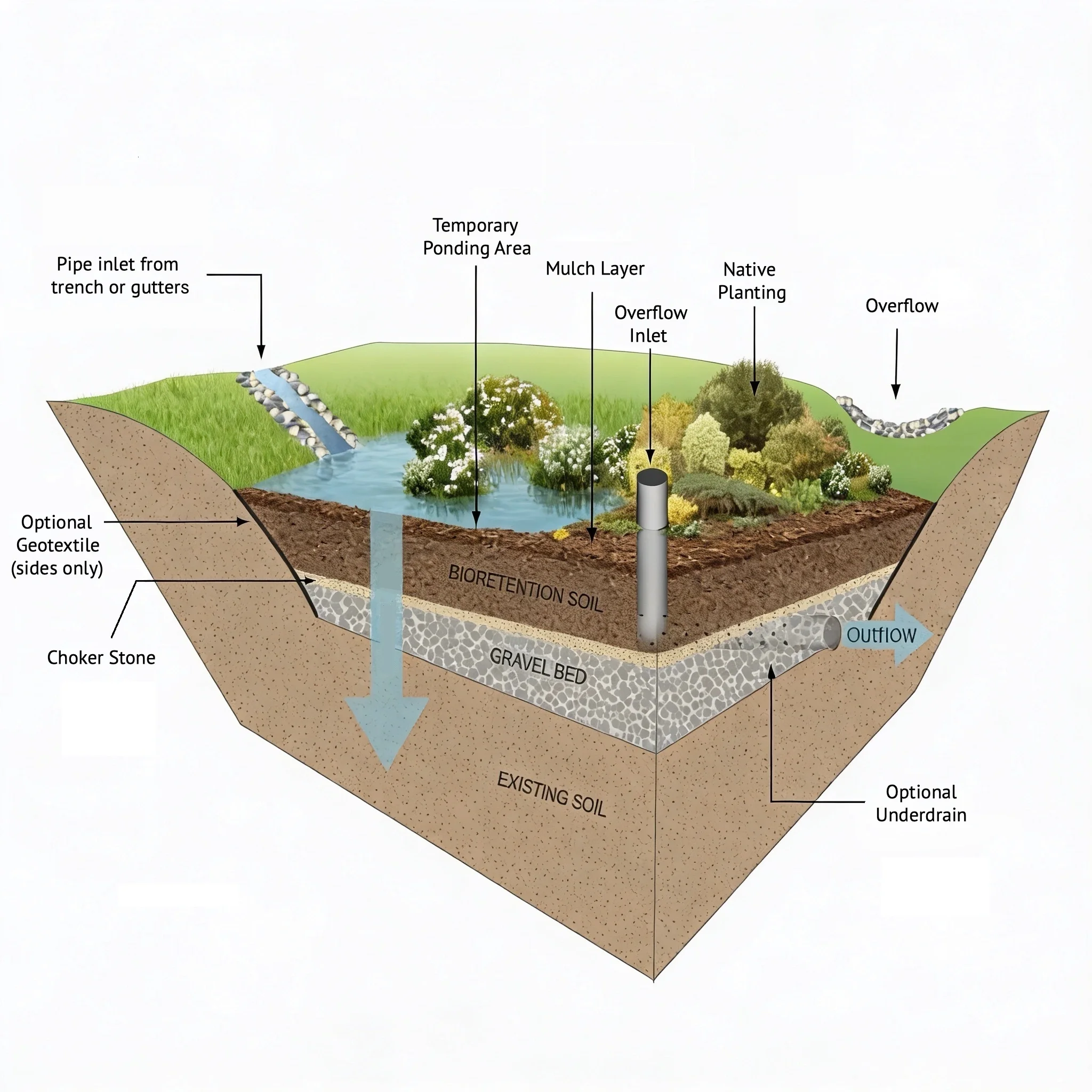
Bioretention cells treat stormwater as it moves through the landscape capturing runoff in vegetated depressions filled with engineered soil media, filtering out sediment, nutrients, and pollutants through the root zone and returning cleaner water to the ground. Settle installs bioretention cells to Virginia DEQ, MS4 and Chesapeake Bay specifications for developers, municipalities and commercial property owners with inspection and maintenance programs that keep every system performing and compliant year after year.
RAIN GARDENS

Rain gardens capture runoff from rooftops, driveways, and paved surfaces in shallow vegetated basins where native plants and amended soil filter pollutants and promote natural infiltration. Cost-effective and visually appealing, they are a proven BMP for residential, commercial and municipal sites across Northern Virginia's Chesapeake Bay watershed. Settle handles full installation site assessment, grading, soil prep and planting turning a stormwater requirement into a landscape feature that earns its place on the property.
OUR INSTALLATION PROCESS

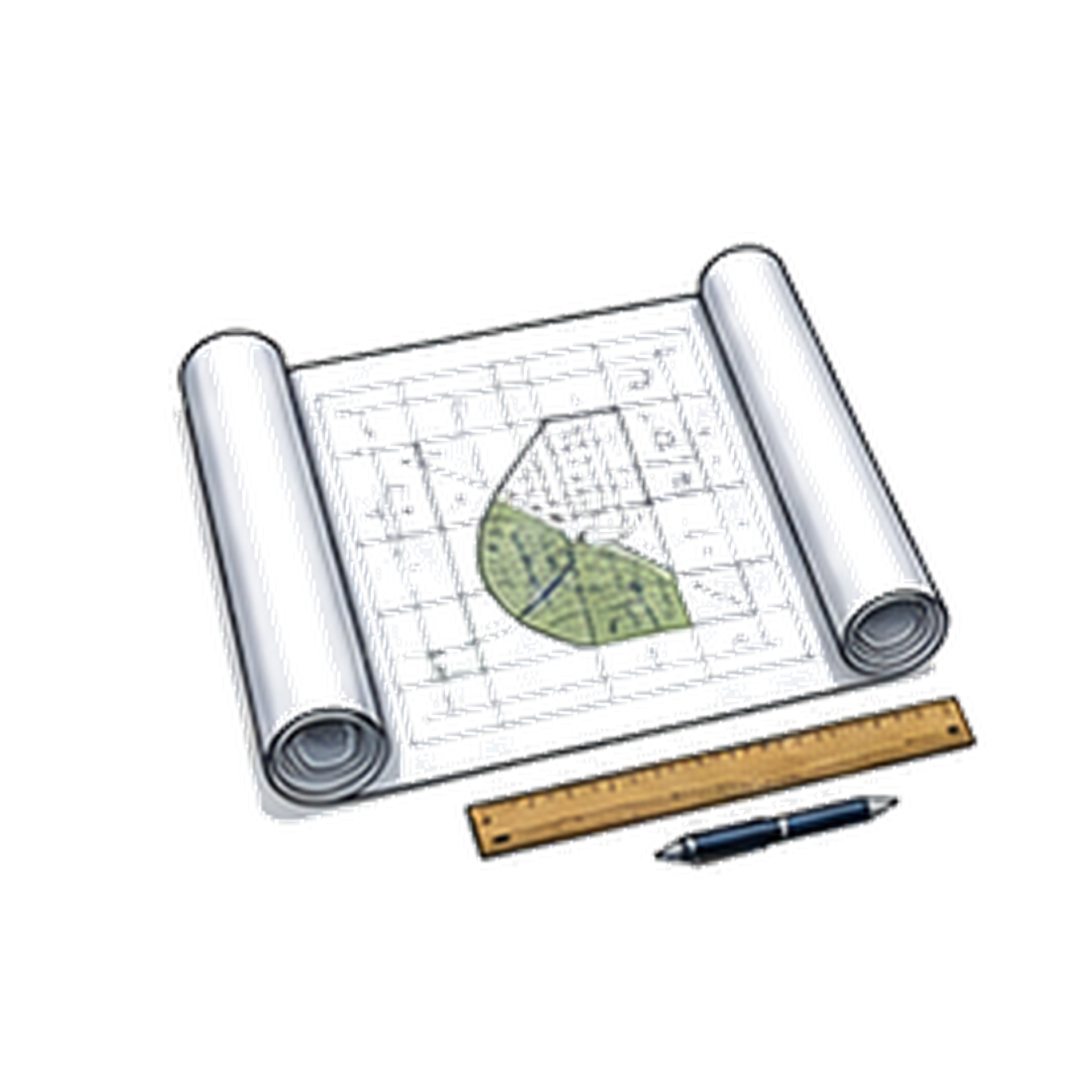
Plan Review
We review approved civil plans, calculations and manufacturer’s specifications to confirm requirements.

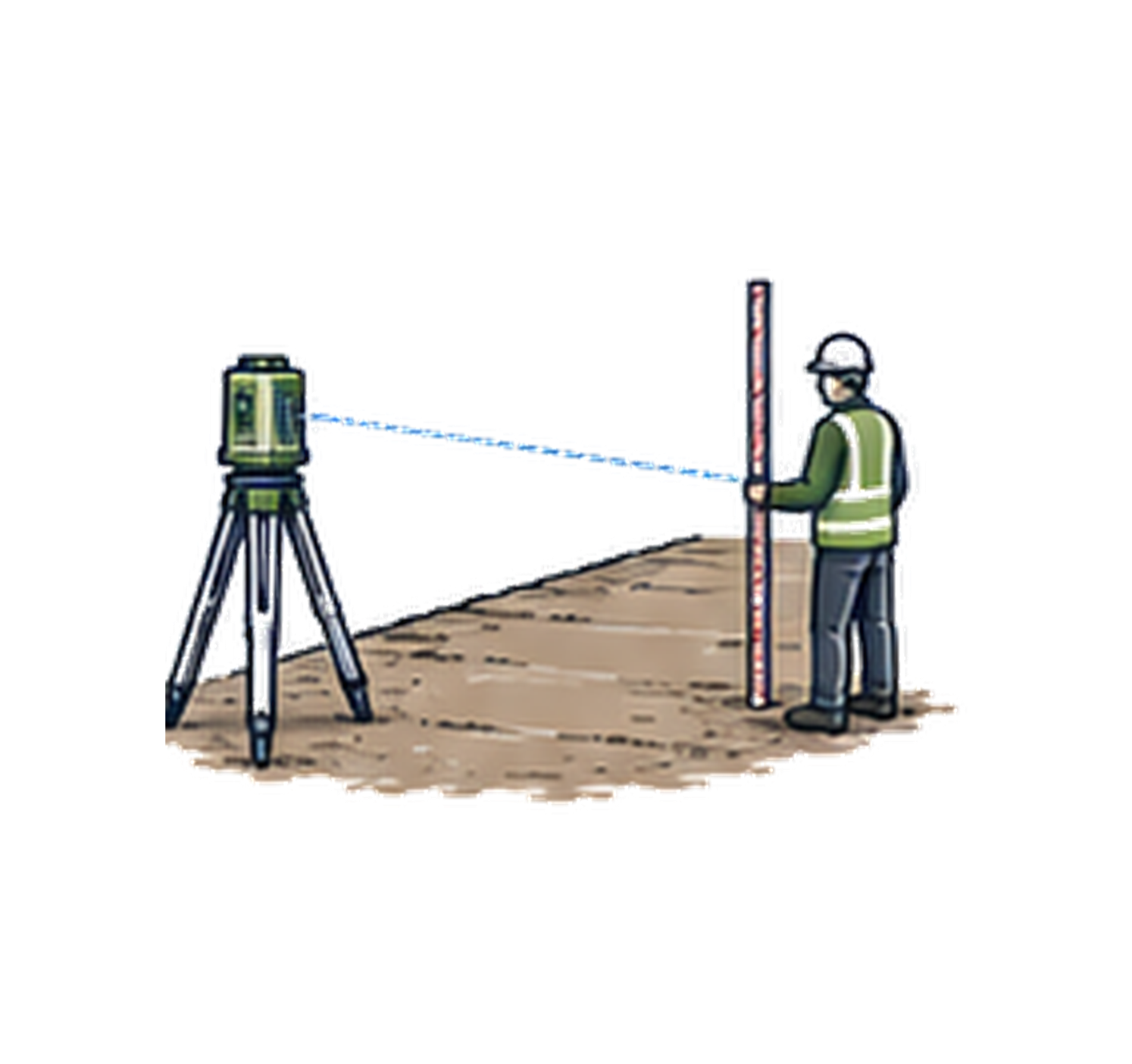
Site Preparation
Excavation is completed to the required grades with attention to safety and access.

Excavation & Subbase Preparation
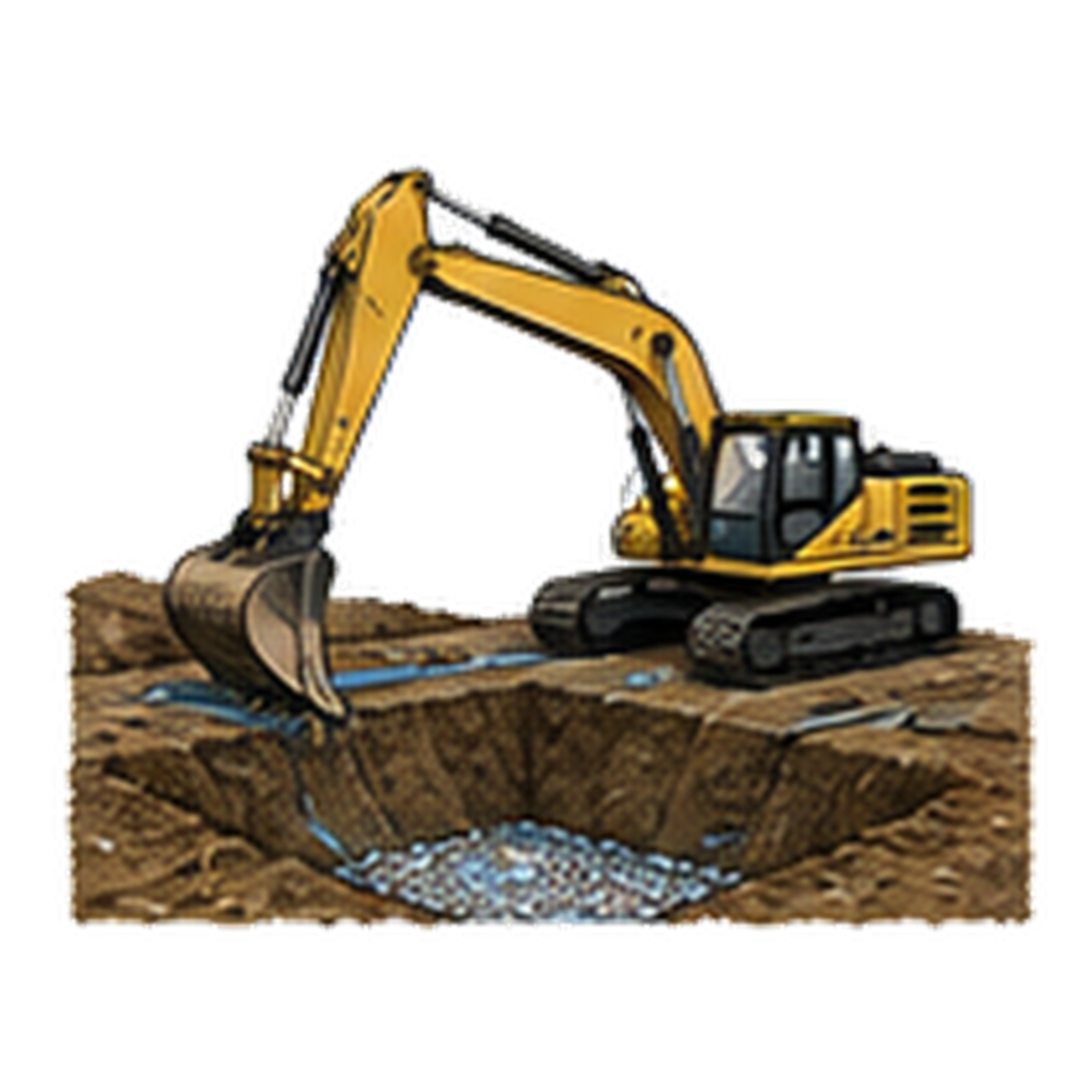
Stone bedding and geotextile are placed to create a stable foundation

System Placement
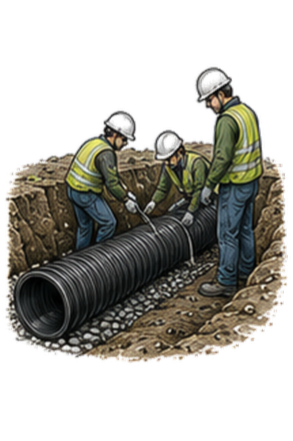
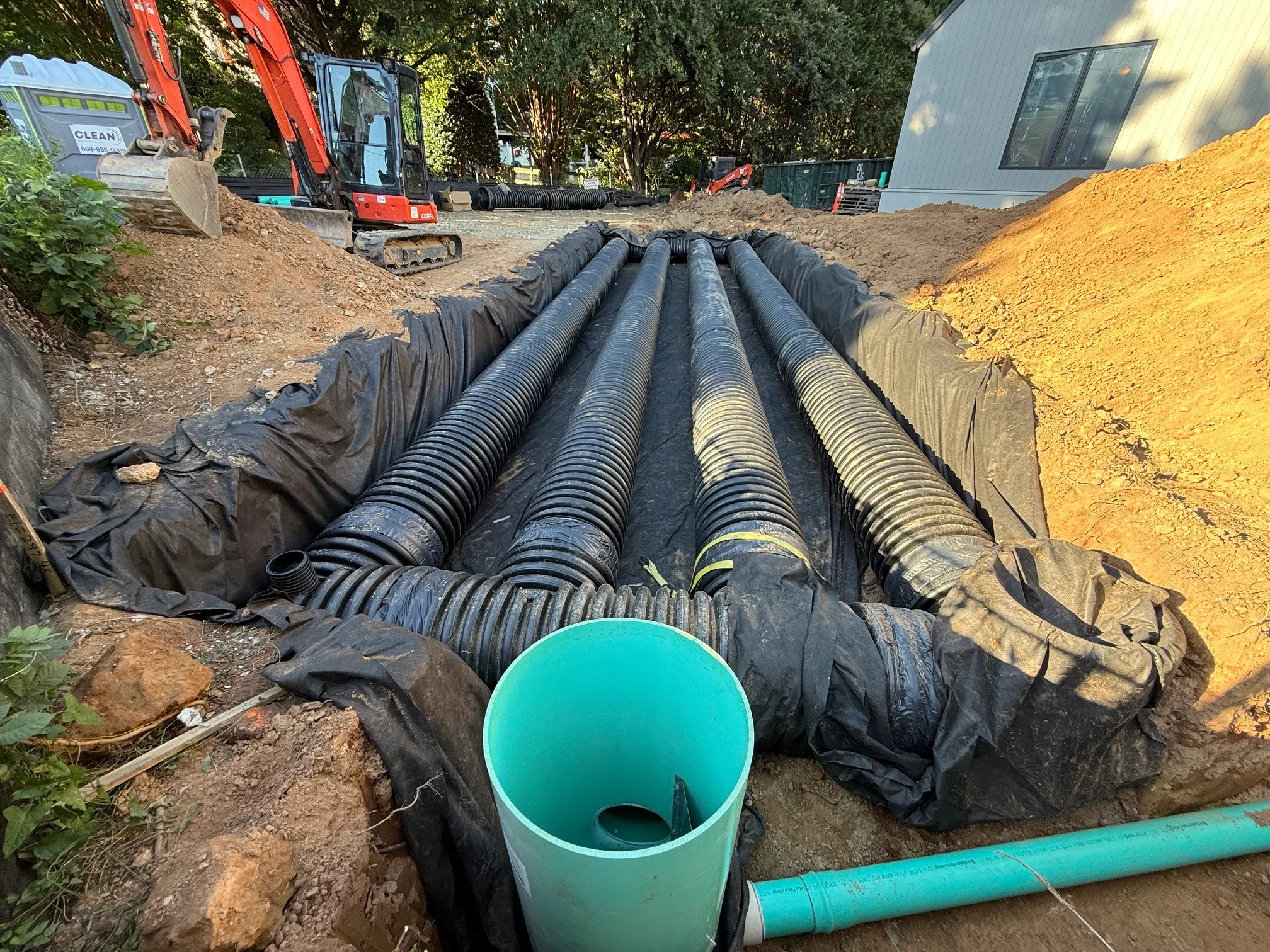
Chambers or pipes are installed to plan with proper alignment and spacing.

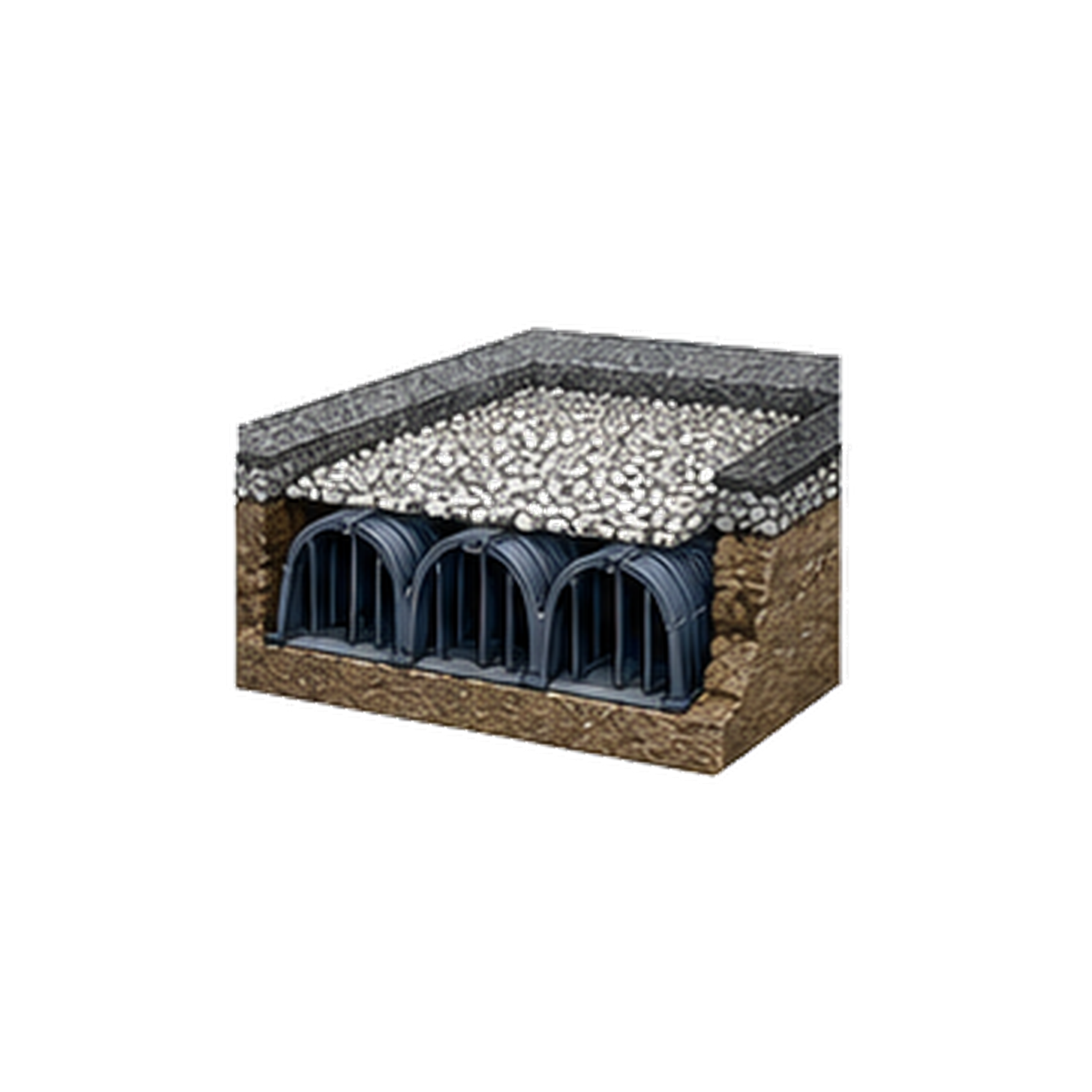
Underground System Installation
Chambers set level, stone properly bedded with inlet and outlet structures connected. Ready for final backfill.

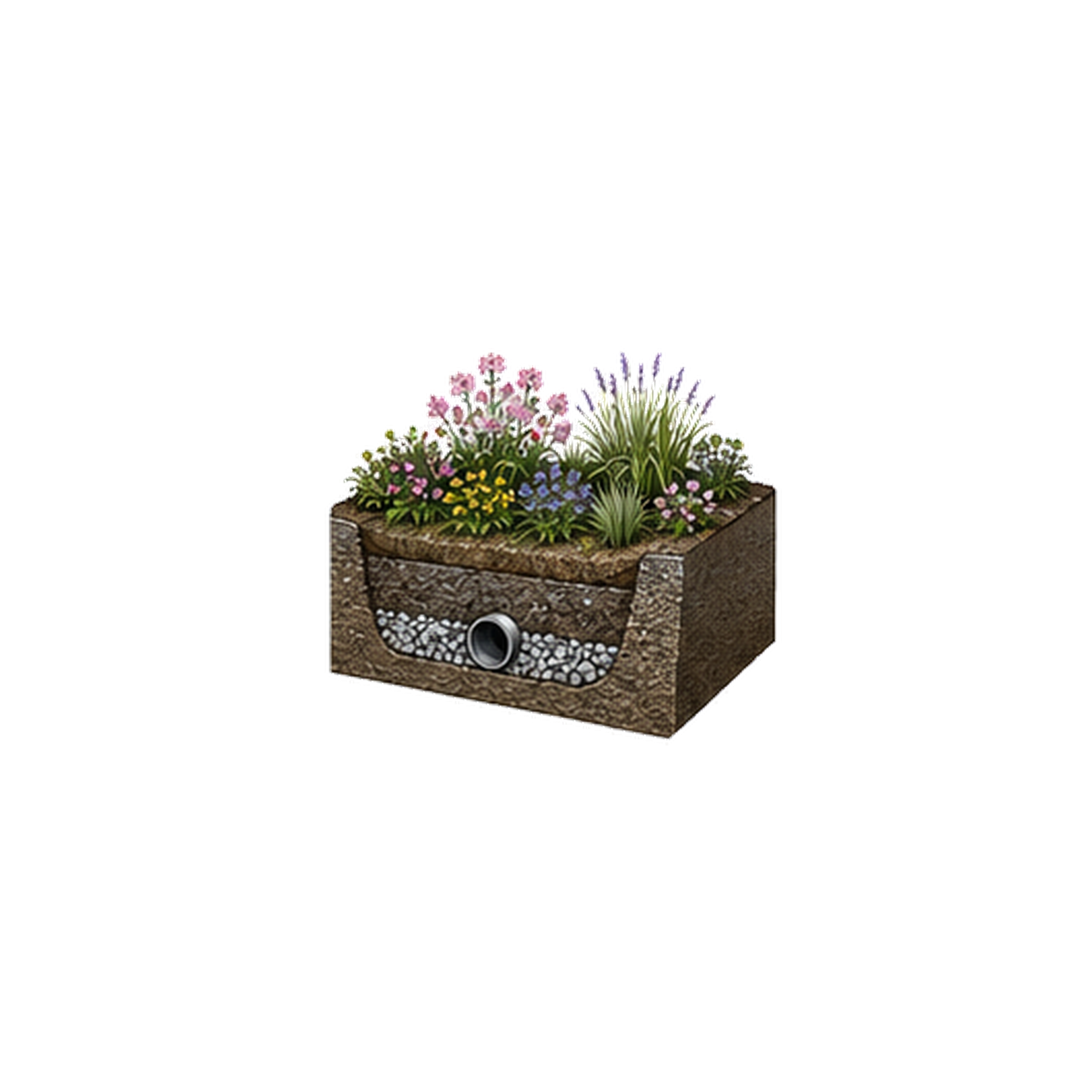
Bioretention Rain Garden Installation
Gravel compacted, engineered soil media in place, underdrain connected and native plantings established.

Closeout & Document
As-built documentation, photos and inspection reports are provided for compliance.
Underground Stormwater
Detention has become a Core
requirement of modern day
development in Northern Virginia.
WHY UNDERGROUND DETENTION
Captures and stores stormwater runoff below grade, out of sight and off the surface
Releases stored runoff at a controlled, pre-approved rate to reduce peak flows
Reduces flooding, erosion, and downstream impacts on adjacent properties and infrastructure
Supports compliance with local stormwater ordinances and Virginia DEQ regulations
Preserves valuable surface area for parking, green space, and development
Requires scheduled inspection, maintenance, and reporting to sustain long-term performance
Underground Stormwater Detention has become a Core requirement
of modern day development in Northern Virginia.
The Stormwater BMP Built to Treat,
Filter, and Perform.
Bioretention is the Regional
Standard for Stormwater
Treatment
The Stormwater BMP Built to Treat, Filter, and Perform.
Bioretention is the Regional Standard for Stormwater
Treatment
Bioretention systems are one of the most effective and widely accepted stormwater best management practices available for Northern Virginia's development landscape. They are frequently specified by civil engineers, required by local VSMP authorities, and credited by Virginia DEQ for meeting pollutant load reduction and water quality requirements under the Chesapeake Bay Program.
Unlike detention systems that simply hold and release water, bioretention systems actively treat stormwater filtering pollutants, reducing runoff volume, and recharging groundwater through engineered soil media and native vegetation. The result is cleaner water reaching local streams, wetlands, and ultimately the Chesapeake Bay.
For developers, builders and property owners in Northern Virginia, bioretention systems offer a proven, regionally accepted solution that satisfies regulatory requirements, integrates naturally into site design, and delivers measurable environmental benefit for the communities they serve.
Need ongoing
stormwater compliance?
Settle Excavating & Plumbing installs stormwater systems as part of our full underground scope: built to plan, to code and to last. For the ongoing side of that work: annual BMP inspections, facility maintenance and Virginia DEQ / MS4 compliance reporting we run a dedicated stormwater division: Capital Stormwater Services. Same company, same Class A license, same in-house crews focused entirely on keeping your stormwater facilities compliant year after year.
→ Visit Capital Stormwater Services (capitalstormwater.com)
Recent Projects
Ready To Talk About Your Project?
Let’s build smarter, stronger and more sustainable solutions - together.