
FREQUENTLY ASKED
QUESTIONS
Have questions about excavation, stormwater, sewer, water, drainfields, well
pumps, ponds or pipe inspections?
Below are answers to common questions we hear from homeowners, builders, HOAs and property managers across Northern Virginia.
Excavating & Plumbing 101
What Property Owners Should Know Before
Starting Underground Work
Excavating & Plumbing 101
Find answers to the questions property owners, builders, HOAs, property managers, and site contractors ask most about excavation, underground utilities, stormwater systems, sewer and water lines, drainfields, well pumps, pipe jetting, camera inspections and pond construction.
This FAQ page explains the most common questions about Settle Excavating & Plumbing services in plain language. For project-specific answers, photos, plans, inspection reports, and site details are always helpful.
Need help with sewer, water, stormwater, drainfield, pond, well, pipe- jetting, camera inspection or excavation work?
Contact Settle Excavating & Plumbing to discuss your project and the right next step.
Core Excavating &
Plumbing Services
About Settle
Excavating & Plumbing
About Settle Excavating & Plumbing
About Settle Excavating & Plumbing
-
Settle Excavating & Plumbing provides excavation, sewer and water line work, stormwater system installation, bioretention and rain garden work, drainfield services, well pump work, pipe jetting, camera inspections, pond construction, grading, trenching and emergency underground repairs across Northern Virginia.
-
Send the property address, a short description of the issue, photos, plans if available, permit information if applicable and any inspection report, camera report, plat, grading plan or county notice. The more information you provide up front, the faster the scope can be reviewed.
-
Yes. Settle Excavating & Plumbing works with private property owners, custom home builders, HOAs, property managers, developers, site contractors and commercial property owners.
-
Yes. For planned construction, stormwater, sewer, water, drainfield and pond work, plan review helps identify access issues, materials, elevations, structures, utility conflicts, staging and possible gaps before equipment is mobilized on site.
-
Yes. We are a fully insured and a licensed Virginia Class A contractor, License No. 2701032072. A Class A license is the state’s top contractor classification, with no limit on project size.
Stormwater & Bioretention
-
Settle installs and repairs underground pipe detention systems, stormwater chambers, inlet and outlet structures, culverts, storm pipe, riser structures, underdrains, cleanouts, overflow structures, bioretention systems, rain gardens, dry swales, infiltration trenches and pond-related stormwater features.
-
We build to the approved engineered stormwater plan for your site. The design and sizing are completed by the project engineer and we handle the construction, grading and installation that brings that plan to life.
-
A BMP, or Best Management Practice, is a system designed to control stormwater runoff, reduce flooding, slow flow, improve water quality or meet county and state stormwater requirements. Common BMPs include underground detention, bioretention, rain gardens, dry swales, infiltration trenches, ponds, outlet structures and storm pipe systems.
-
Bioretention is a landscaped basin engineered to collect stormwater runoff and filter it through layers of soil and plantings before it soaks into the ground or drains away. It reduces flooding and improves water quality and many counties require it on new development.
-
Stormwater systems depend on elevation, soil, pipe slope, stone, geotextile, chamber layout, outlet control and overflow capacity. Small changes can affect storage volume, drainage performance, inspections and compliance.
-
Common warning signs include standing water for long periods, erosion near outlets, sinkholes or settlement, clogged inlets, sediment-filled structures, water backing up toward buildings, soggy areas, collapsed pipe, exposed geotextile or repeated washouts.
-
A rain garden is often a smaller planted depression that captures and filters runoff. Bioretention is typically an engineered system with specified soil media, mulch, plantings, stone layers, underdrains, cleanouts and overflow controls.
-
Bioretention soil media affects filtration, drainage speed, plant survival and system performance. The wrong soil can hold too much water, drain too fast, clog or fail to support the intended vegetation.
-
Typical maintenance includes removing trash and sediment, controlling weeds and invasive plants, refreshing mulch, checking inlets and outlets, maintaining vegetation, correcting erosion and making sure water can enter and exit the system properly.
-
Yes. Repairs may include sediment removal, regrading, replacing mulch or media, repairing underdrains and cleanouts, correcting erosion, restoring plants, clearing outlets and rebuilding sections that were not installed correctly.
Why Choose Settle
Excavating & Plumbing?
Drainfields & Septic
-
No. We install drainfields from an approved engineered plan. The soil evaluation and system design are completed first by a licensed soil evaluator and engineer. We handle the permitting, excavation, installation and inspection coordination. If you need a designer, we can refer you to one.
-
We do both. Depending on the condition of the system and the approved plan, we can repair a failing field or install a full replacement.
-
We install conventional gravel and pipe drainfields as well as alternative systems such as drip dispersal, all built to the approved plan for your property and soil conditions.
-
Common warning signs include soggy or unusually green spots over the drainfield, slow drains, sewage odors outdoors or backups inside the home. If you notice these, it is worth having the system evaluated before the problem grows.
-
Yes. Settle can provide excavation and installation support for drainfield trenches, pipe runs, access, grading, repairs and related site work based on approved plans and requirements.
-
Sometimes. Repairs depend on the cause of failure, system age, soil conditions, available reserve area, permit requirements and whether components such as the distribution box, lines, pump or tank are part of the issue.
Drainfields & Septic Related Excavation
Sewer & Water Lines
-
Yes. Settle installs and repairs sewer laterals, water service lines, utility trenches, tie-ins, replacements and related excavation. Scope depends on the site conditions, permitting requirements, utility location and access.
-
Warning signs include repeated backups, slow drains throughout the home, sewage odors, wet or sunken areas in the yard, root intrusion, pipe bellies, cracked pipe, collapsed pipe or problems found during a camera inspection.
-
Signs include low pressure, unexplained high water bills, wet spots in the yard, water surfacing near the service line, discolored water or loss of water service. A proper diagnosis may involve locating, excavation, pressure checks and reviewing the service route.
-
Yes. We handle line work for homeowners, businesses and municipal clients.
-
Many do. Permit requirements vary by county, utility authority, right-of-way involvement, connection type and whether the work is repair, replacement or new installation. The project should be reviewed before work begins.
Excavation, Grading
& Pond Construction
Excavation, Grading & Pond Construction
-
Excavation is cutting, digging, trenching or removing material. Grading is shaping the surface to achieve drainage, slope, access, stabilization or final elevation. Most projects need some of both.
-
Settle provides trenching, grading, utility excavation, driveway and access work, basement excavation support, pond construction, stormwater excavation, drainage improvements, soil removal, backfill, compaction and site restoration.
-
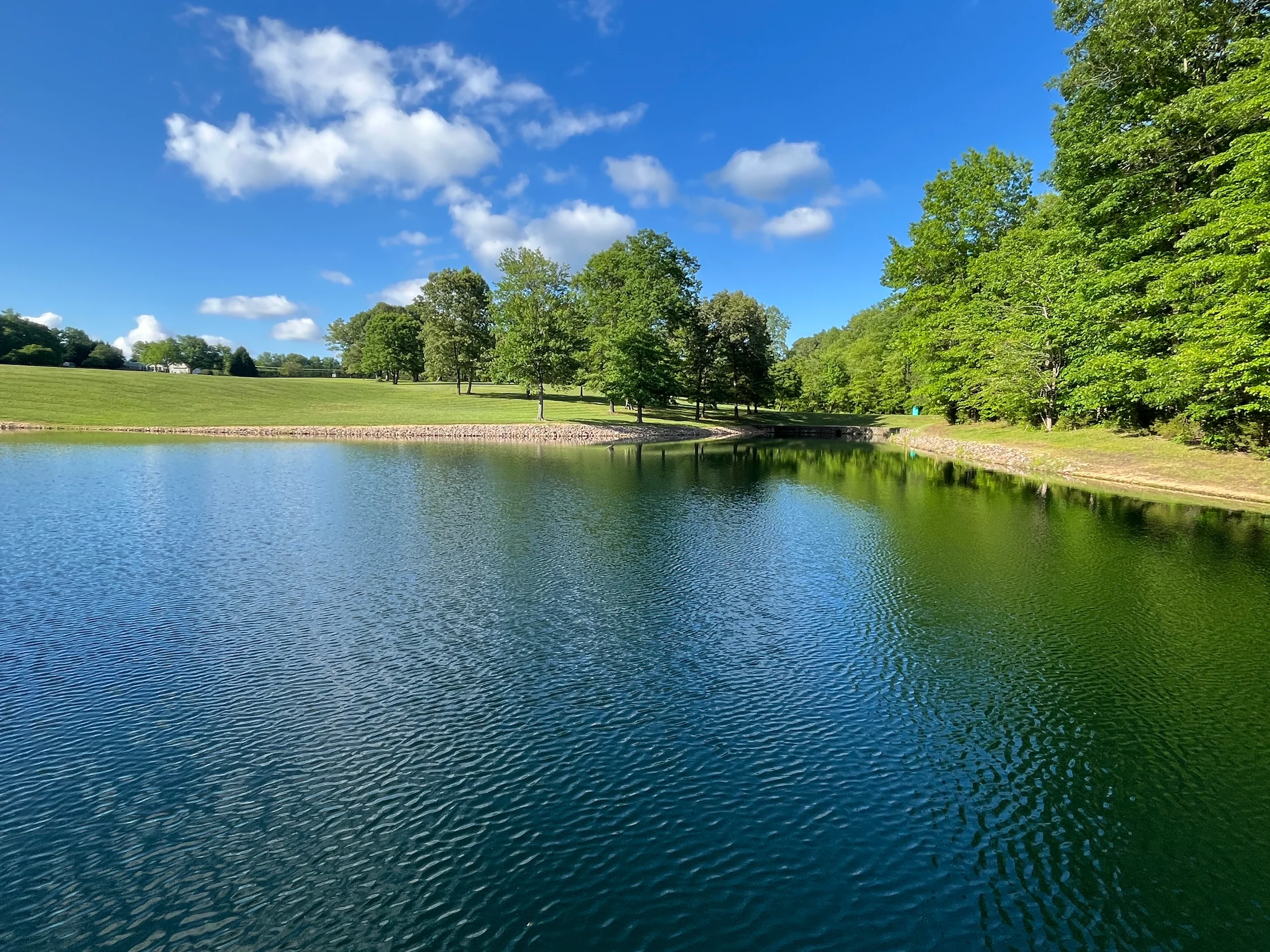
Yes. Settle builds and repairs ponds, including excavation, shaping, grading, inlet and outlet coordination, embankment work, overflow routing, pipe installation and related drainage features. The exact scope depends on design, soils, site access and permitting.
-
Important items include utility marking, access, staging, erosion control, haul-off or spoils location, soil conditions, groundwater, plan elevations, pipe routes, nearby structures, trees, driveways and permit requirements.
-
Yes. Land clearing and grading are core parts of our excavation work and we can prepare a site to the elevations and drainage your project requires.
Well Pumps & Water Systems
-
Yes. We install, replace and repair well pumps and pressure tanks for homes and properties across Northern Virginia.
-
We work with submersible and jet pumps, along with the pressure tanks and controls that go with them.
-
Common signs include no water, low pressure, short cycling, air in the lines, dirty water, unusual noises, a constantly running pump, tripped breakers or pressure that rises and falls quickly.
-
Yes. Settle provides well pump and pressure tank installation, replacement, troubleshooting and related plumbing work. The correct repair depends on the pump depth, controls, wiring, pressure settings, tank condition and system layout.
-
They can. Clogged filters, failing valves, undersized equipment or improper bypass settings can reduce pressure or flow. A full system review helps separate pump issues from treatment equipment issues.
-
Check whether power is on, breakers are not tripped and the pressure switch or control box has not failed. Avoid repeatedly resetting equipment if something seems wrong. A technician can diagnose whether the issue is electrical, pump-related, pressure-tank related or plumbing-related.
Pipe Jetting
& Camera Inspections
Pipe Jetting & Camera Inspections
-
Pipe jetting uses high-pressure water to clear buildup, grease, roots, sediment, scale and debris from sewer or drainage pipes. It is commonly used when snaking is not enough or when buildup keeps returning.
-
A camera inspection can show cracks, offsets, roots, bellies, collapse, blockages, standing water, broken pipe, poor slope and connection issues. It helps determine whether cleaning, repair or replacement is needed.
-
Yes when possible. A camera inspection helps confirm the location and type of defect, reduces guesswork and may show whether a spot repair or full replacement makes more sense.
-
High-pressure jetting should be matched to the pipe condition and material. Very old, brittle, collapsed or severely damaged pipe may need careful evaluation before jetting.
-
It depends on pipe condition, tree roots, use, sediment, grease, slope and history of backups. Some properties only need cleaning when problems occur while others need scheduled maintenance to prevent repeat blockage.
-
Yes. A pre-purchase camera inspection is one of the smartest ways to avoid an expensive surprise after closing. We can inspect the sewer line and document its condition.
Have a Project or Problem Underground?
Need help with sewer, water, stormwater, drainfield, pond, well, pipe- jetting, camera inspection or excavation work?
Send a short description, photos, plans, or inspection reports and Settle Excavating & Plumbing will review the information and help determine the right next step.